Quiet Storm For String Quartet: Book 1
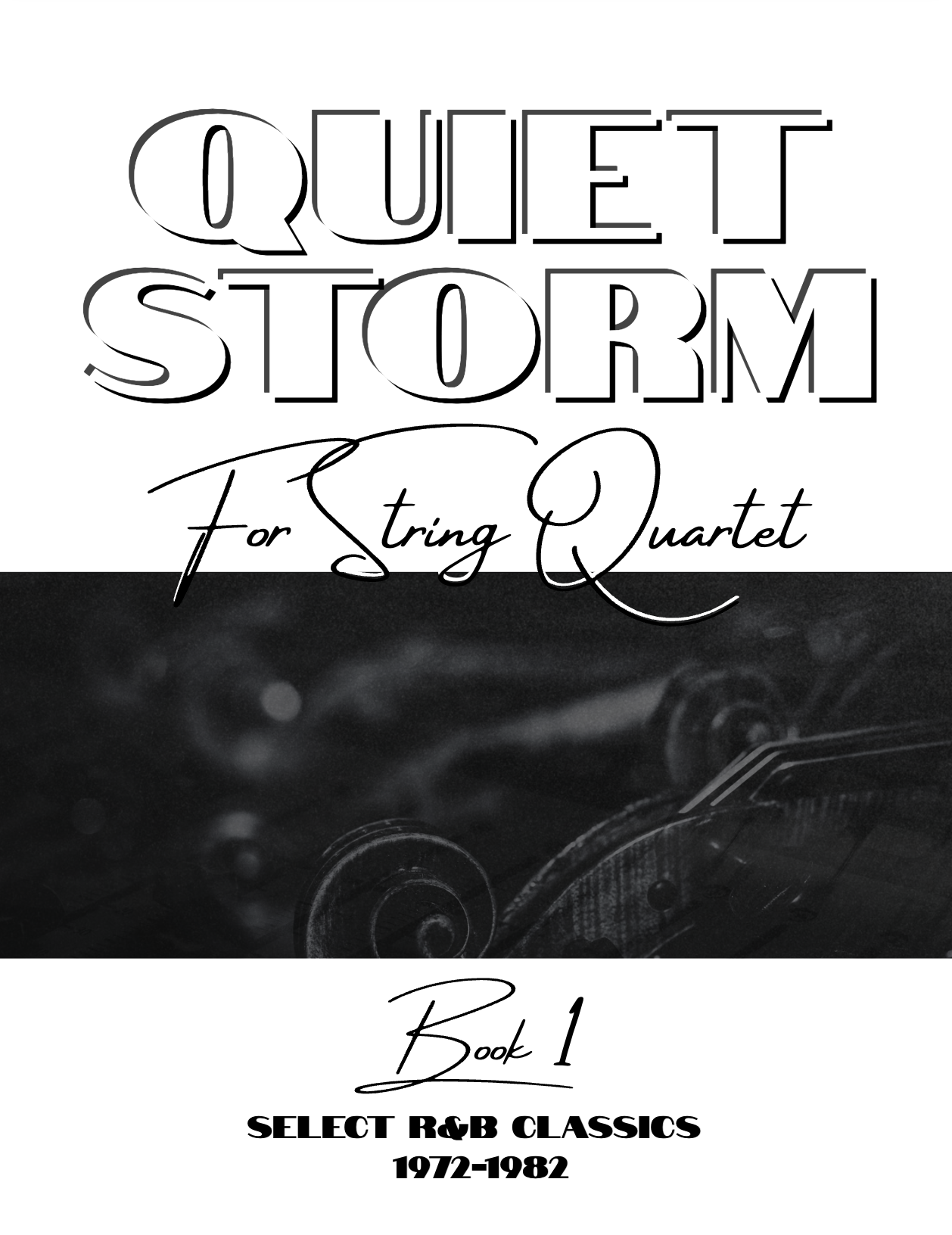
Includes arrangements of:
Earth, Wind & Fire
Chaka Khan
Minnie Riperton
Stevie Wonder & More
For more information about the complete collection or additional arrangements, inquire here.-
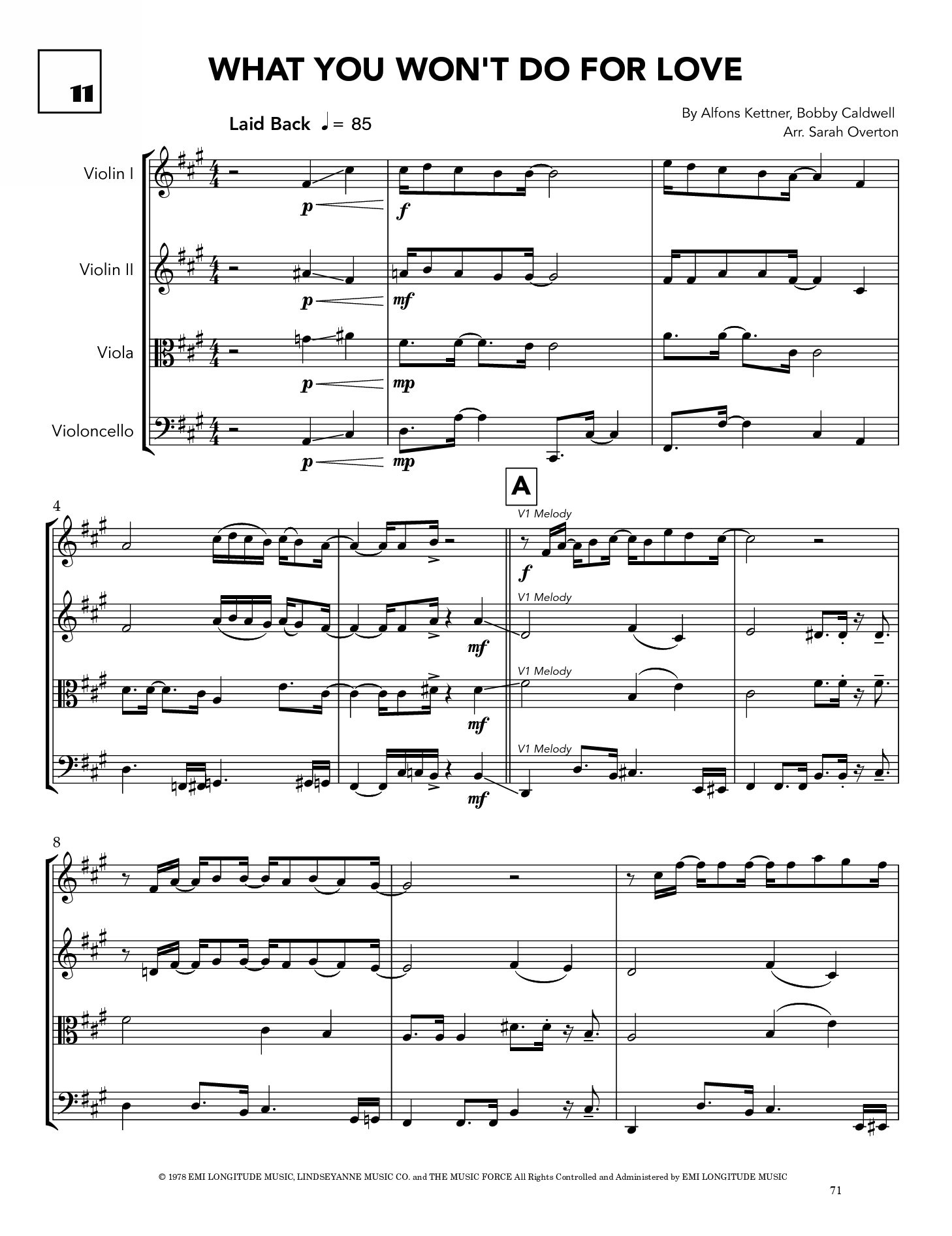
![What You Won't Do For Love - Arr. Overton]()
What You Won't Do for love
Popularized by Bobby Caldwell
Arr. Overton for String Quartet
$16.99 - Available here -
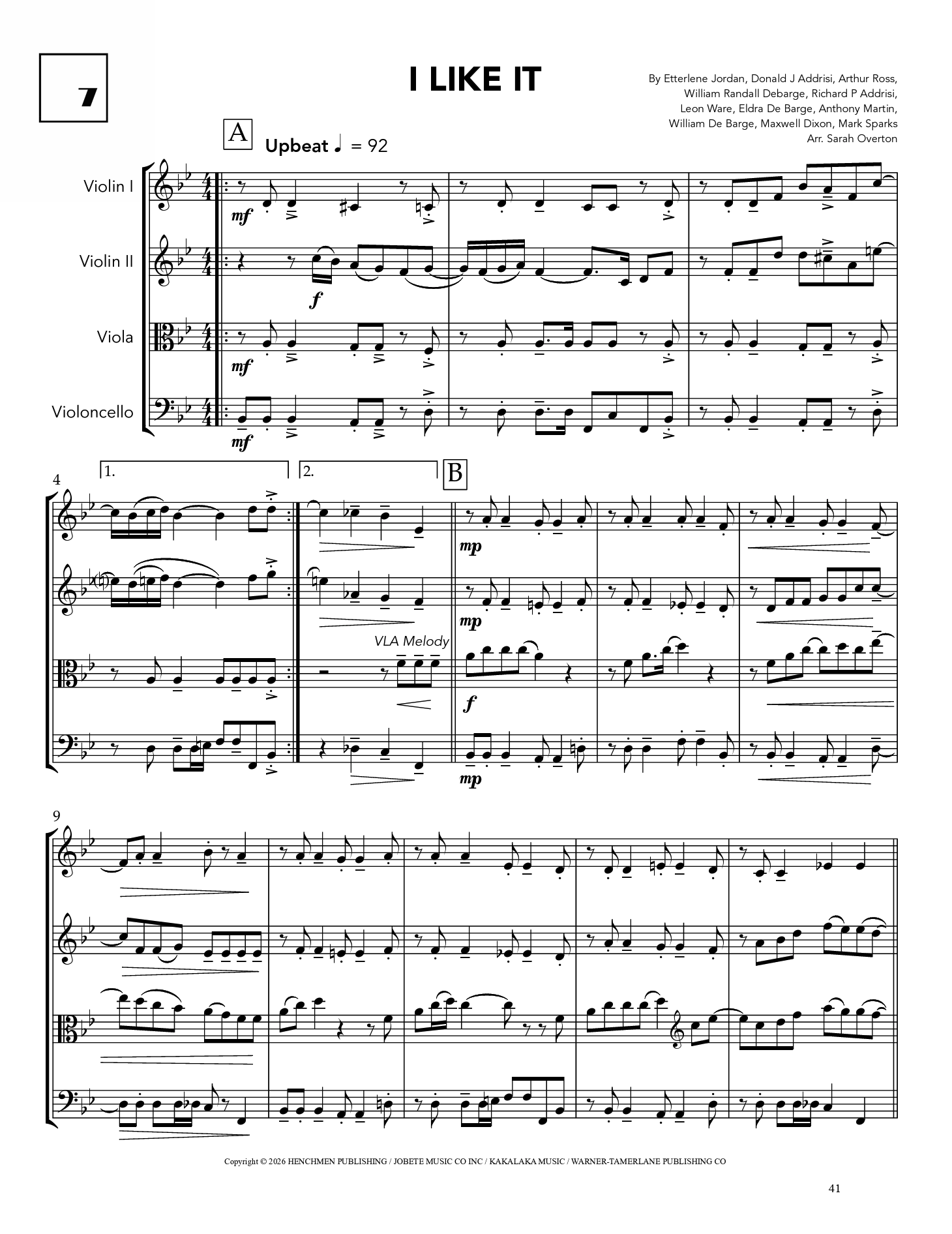
![I Like It Score - Arr. Overton]()
I Like It
Popularized by DeBarge
Arr. Overton for String Quartet
$16.99 - Available here -
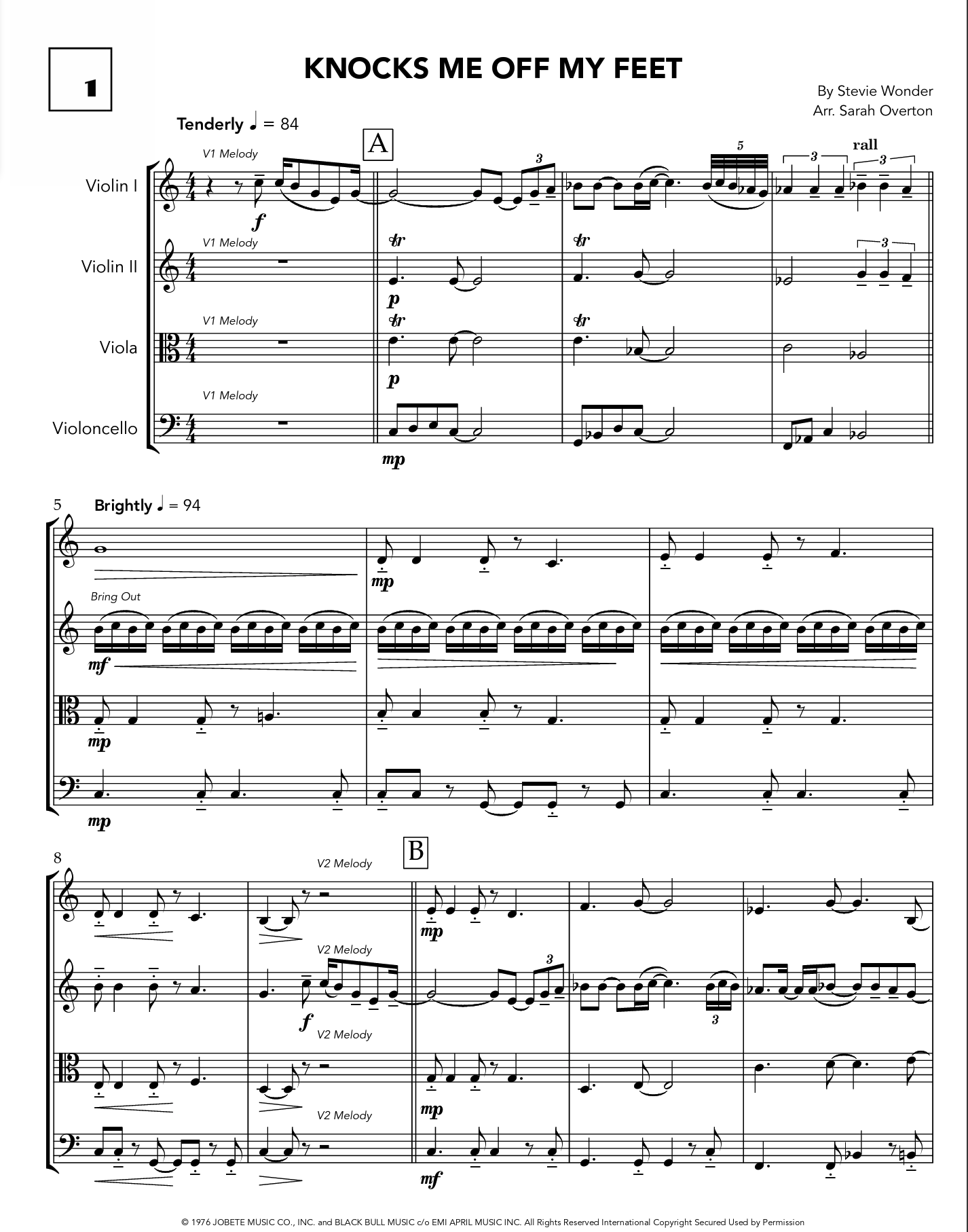
![]()
KNOCKS ME OFF MY FEET
Written by Stevie Wonder.
Arr. Overton for String Quartet
$16.99 - Available here -
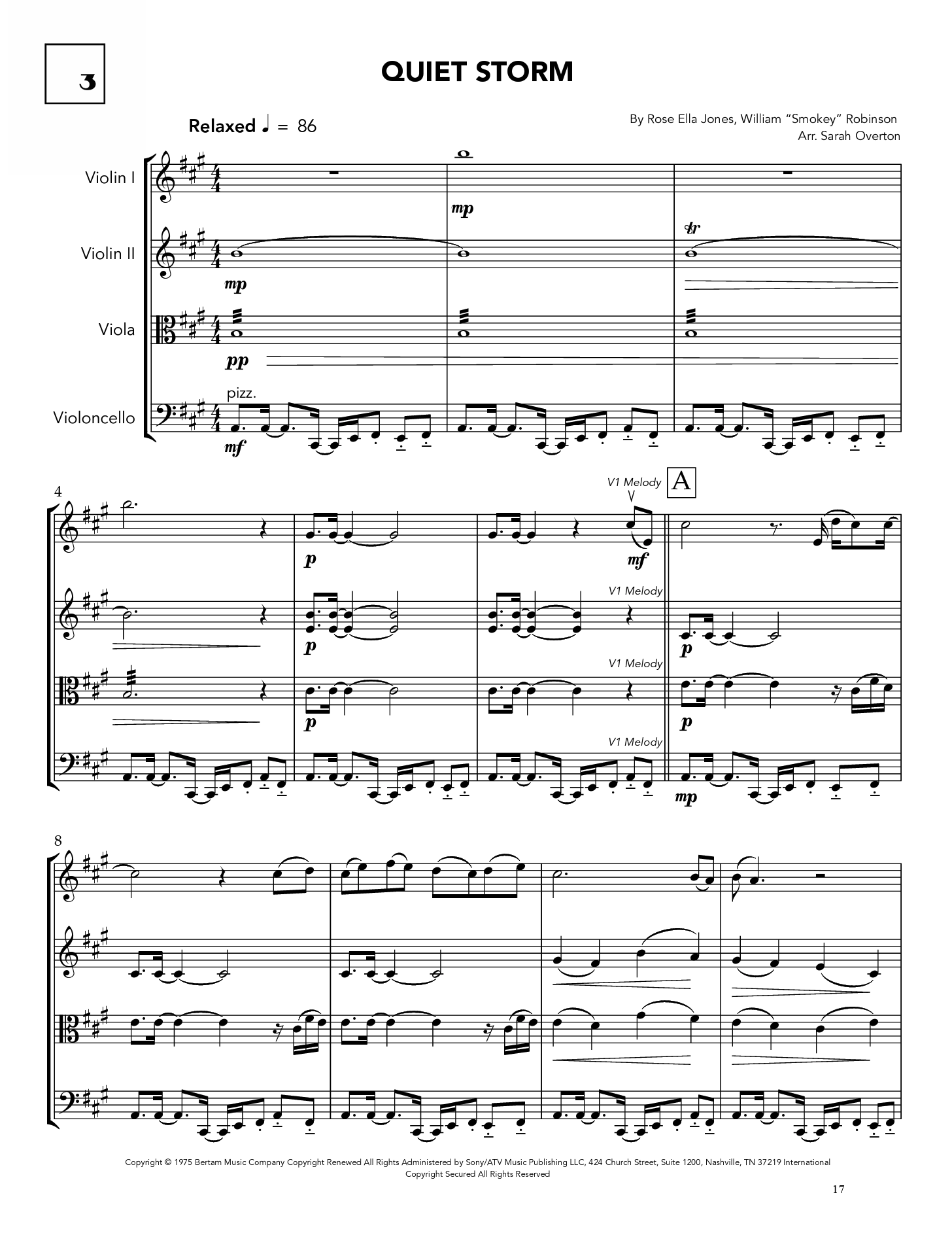
![Quiet Storm Score - Arr. Overton]()
Quiet Storm
Popularized by Smokey Robinson
Arr. Overton for String Quartet
$16.99 - Available here -
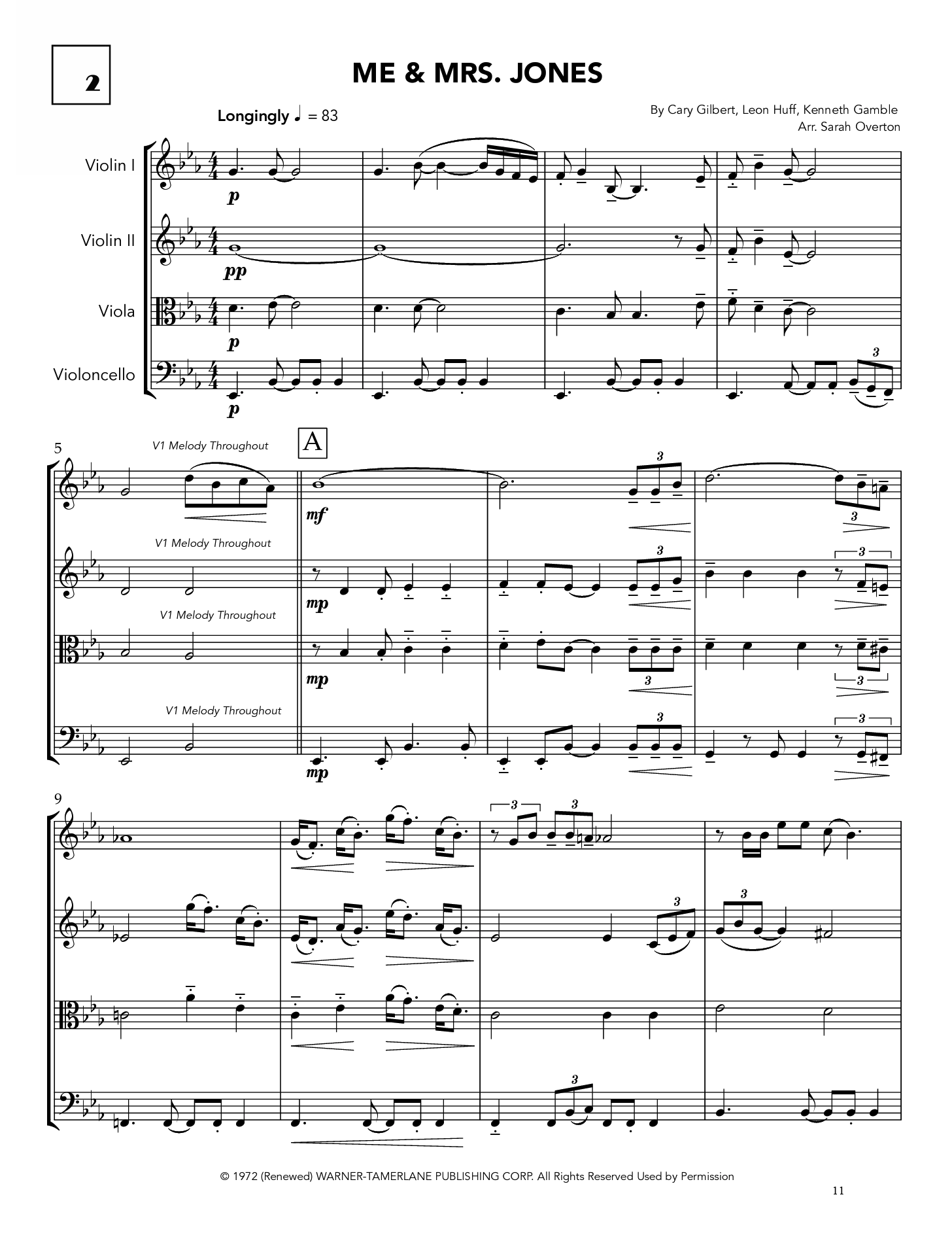
![Me & Mrs. Jones Score - Arr. Overton]()
ME & MRS. JONES
Popularized by Billy Paul
Arr. Overton for String Quartet
$16.99 - Available here -
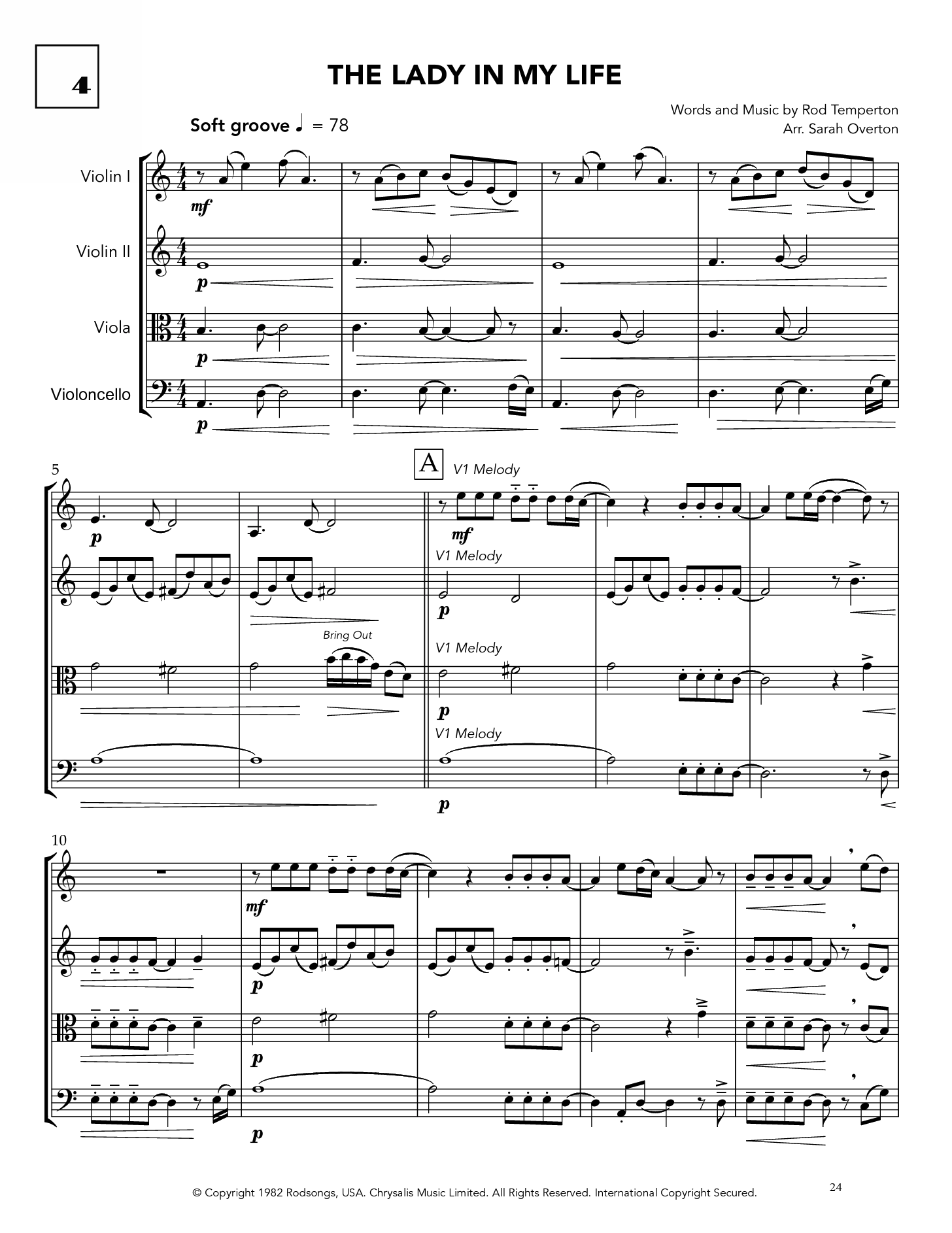
![The Lady In My Life - Score - Arr. Overton]()
The LADY IN MY LIFE
Popularized by Michael Jackson
Arr. Overton for String Quartet
$16.99 - Available here -
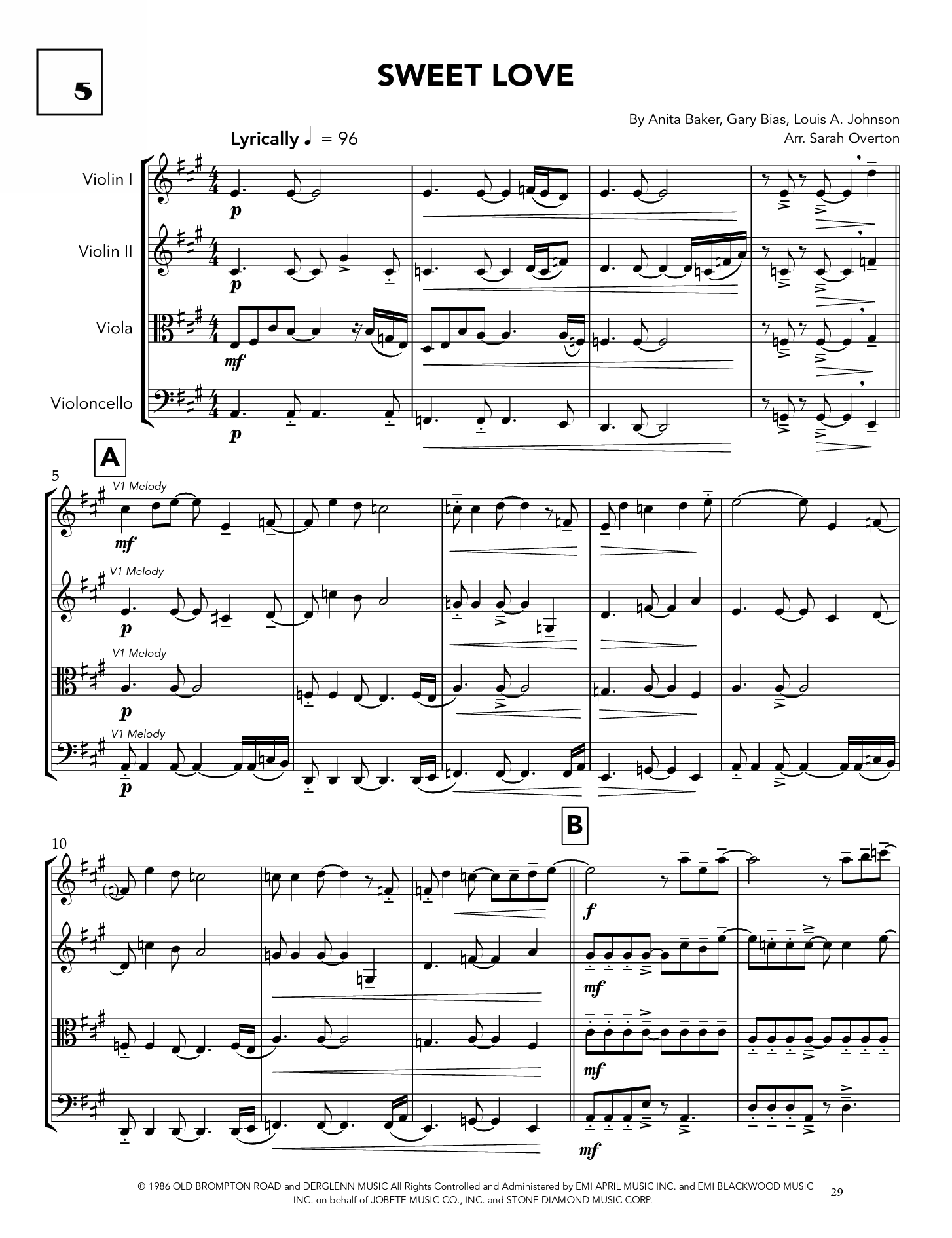
![Sweet Love Score - Arr. Overton]()
Sweet love
Popularized by Anita Baker
Arr. Overton for String Quartet
$16.99 - Available here -
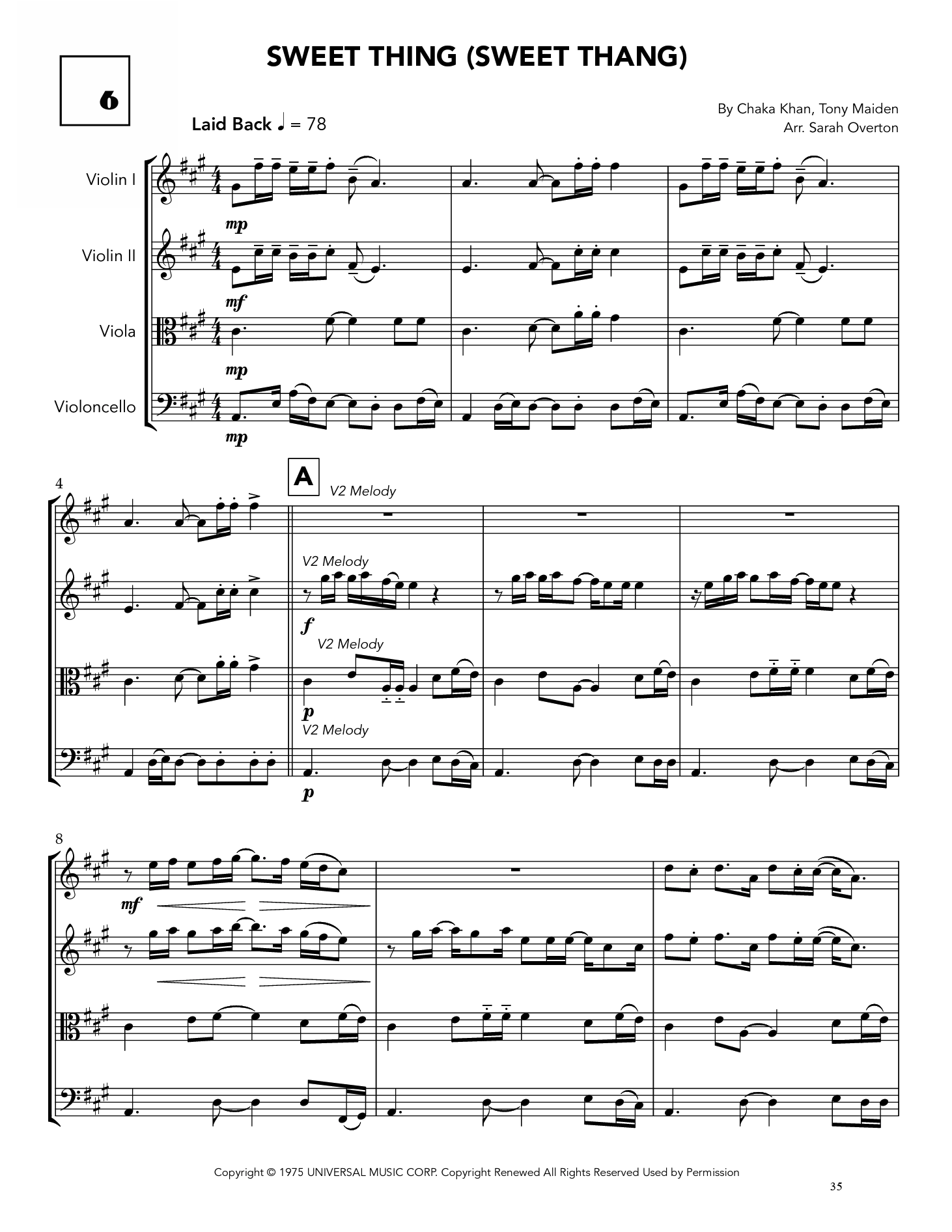
![Sweet Thing (Sweet Thang) Score - Arr. Overton]()
Sweet Thing (Sweet Thang)
Popularized by Rufus & Chaka Khan
Arr. Overton for String Quartet
$16.99 - Available here -
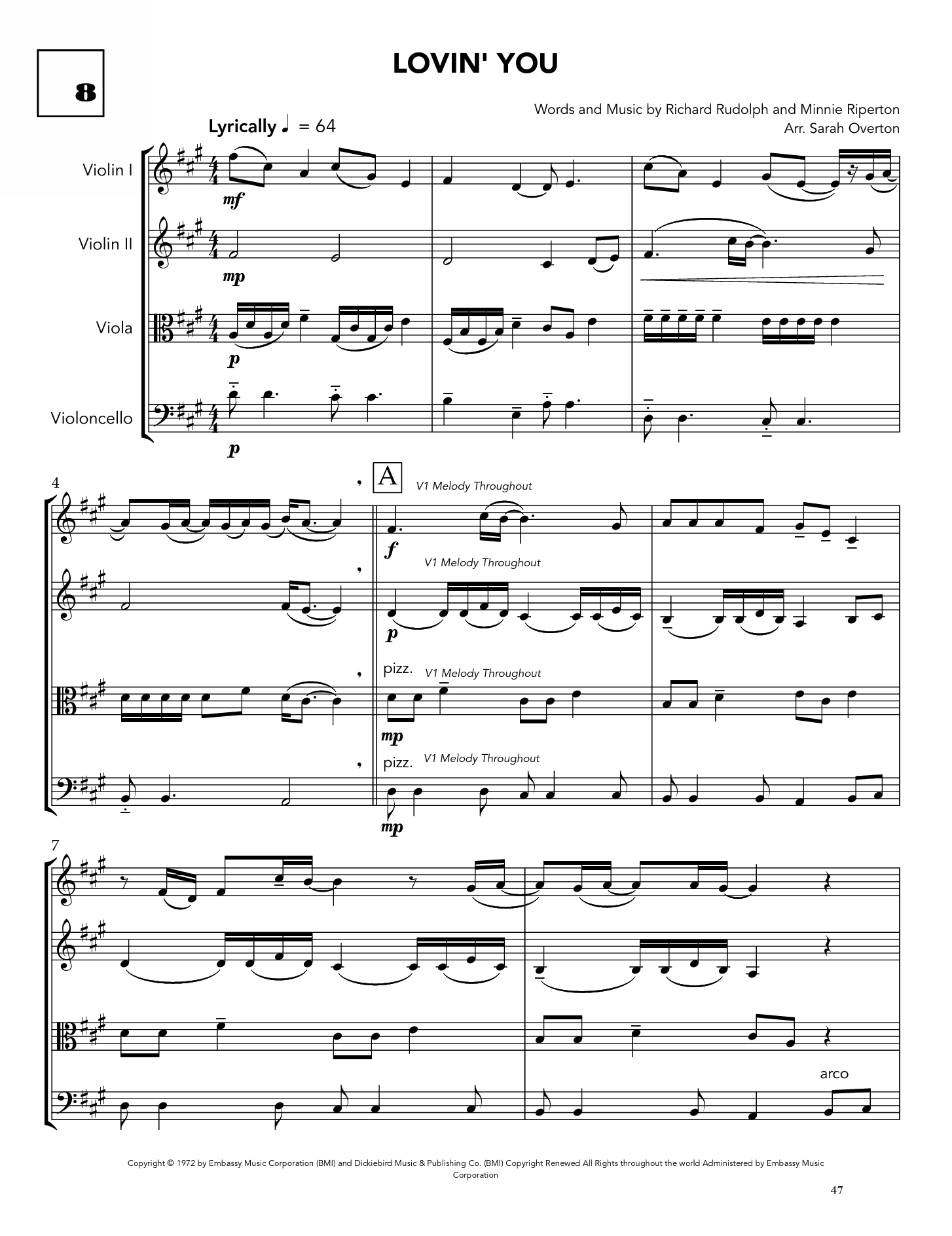
![Lovin' You Score - Arr. Overton]()
lovin' you
Popularized by Minnie Riperton
Arr. Overton for String Quartet
$16.99 - Available here -
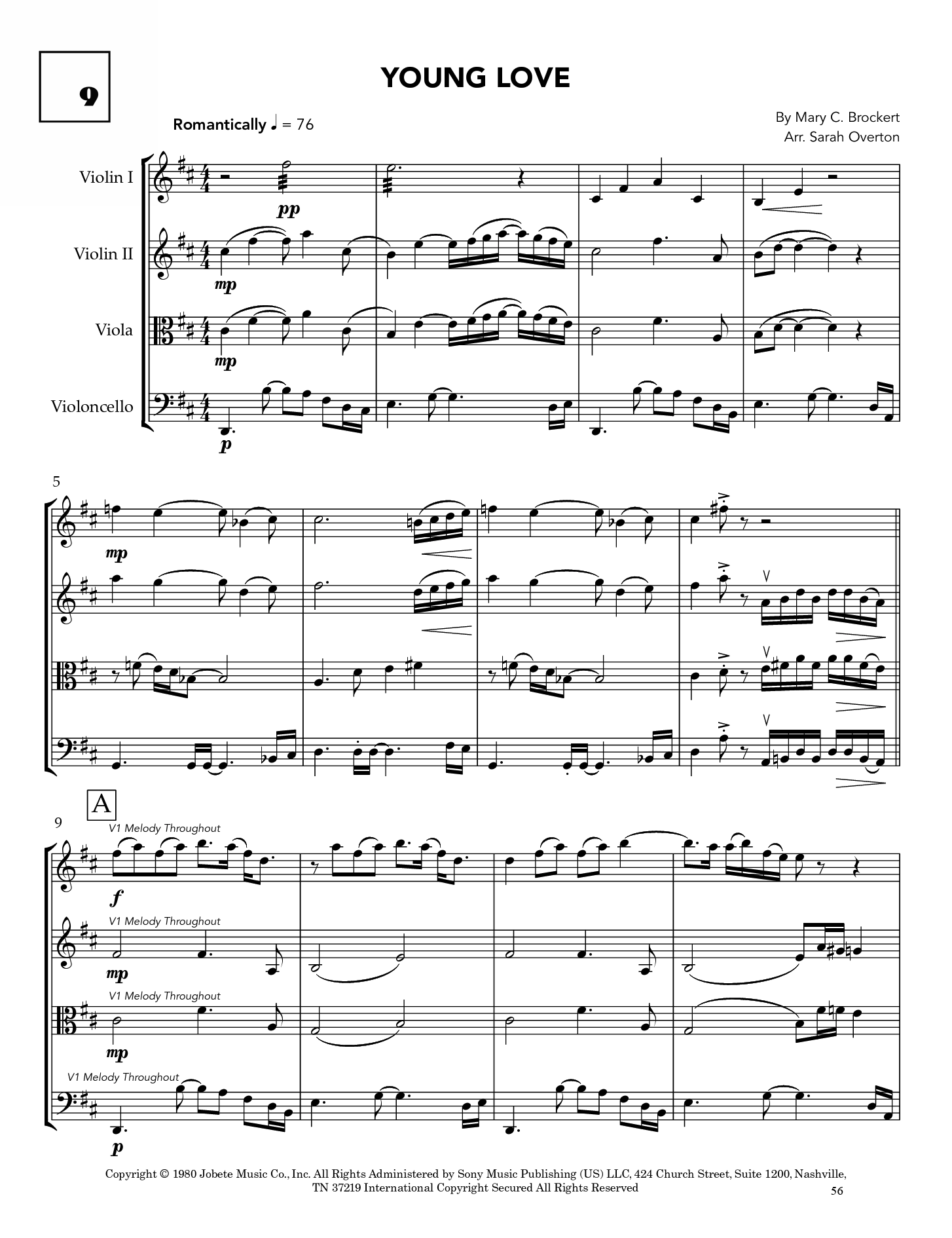
![Young Love Score - Arr. Overton]()
Young Love
Popularized by Teena Marie
Arr. Overton for String Quartet
$16.99 - Available here -
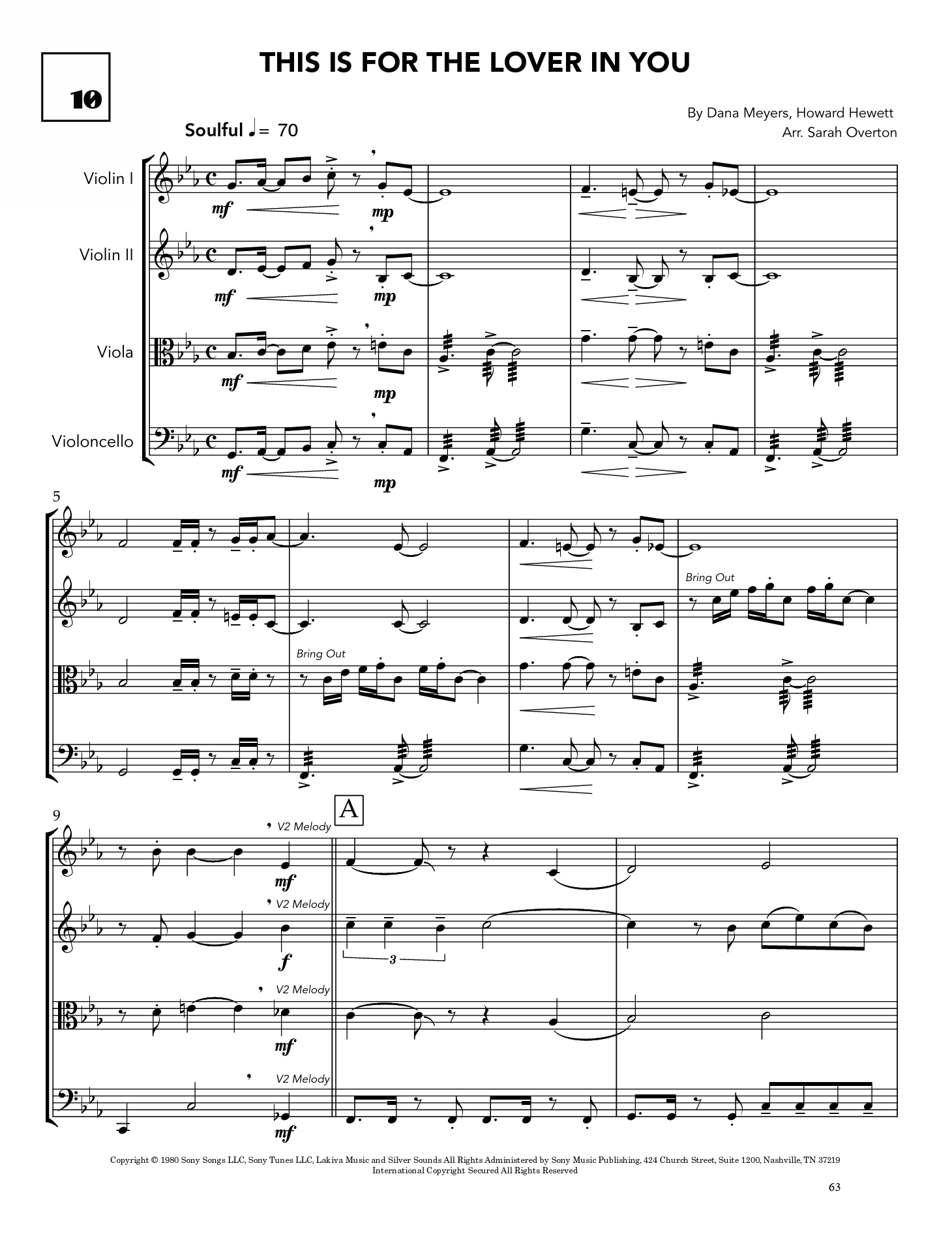
![This is for the Lover in You Score - Arr. Overton]()
This Is For the lover in you
Popularized by Shalamar
Arr. Overton for String Quartet
$16.99 - Available here -
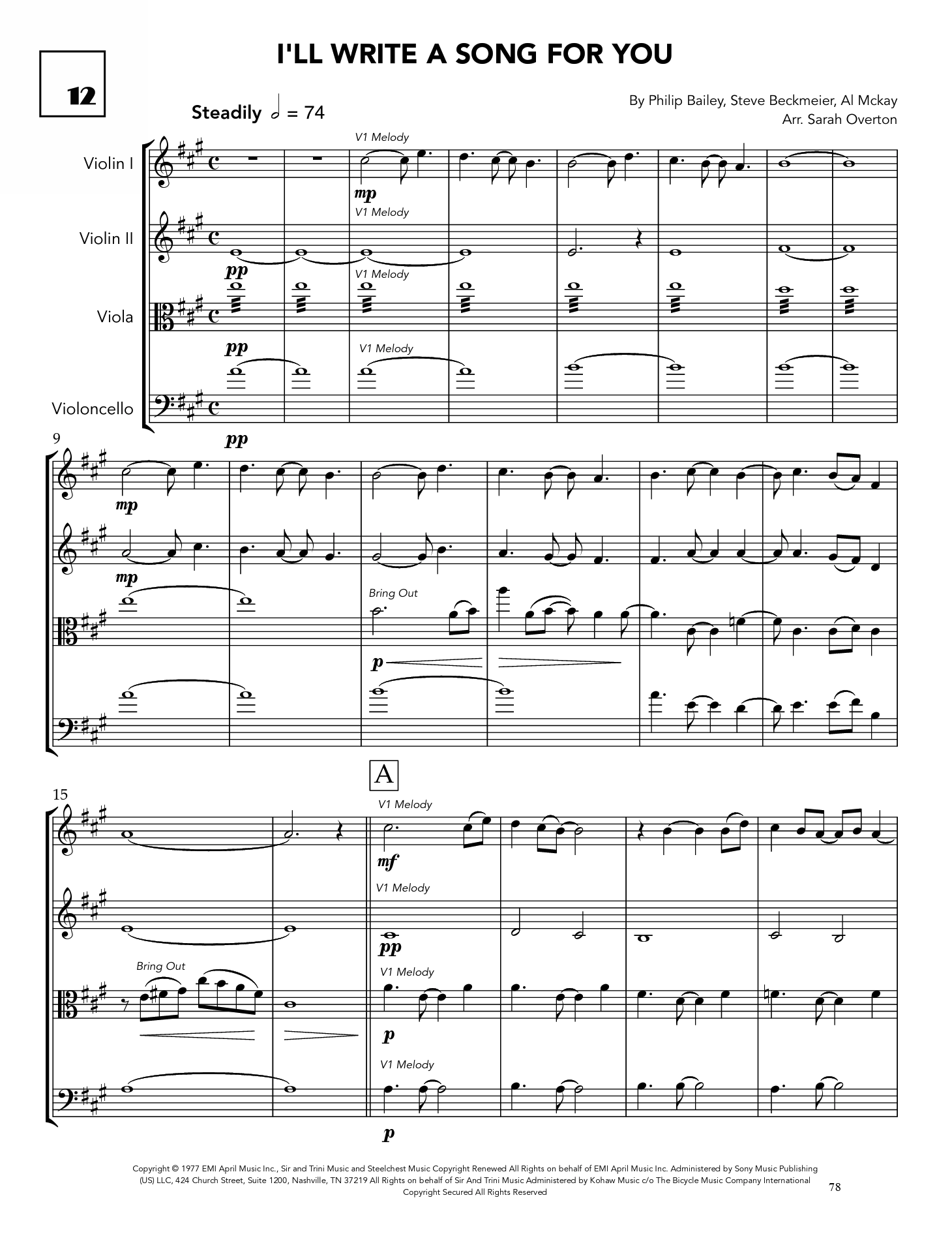
![I'll Write A Song For You - Arr. Overton]()
i'll write a song for you
Popularized by Earth, Wind & Fire
Arr. Overton for String Quartet
$16.99 - Available here
About
“Quiet Storm
for String Quartet”
-
Quiet Storm for String Quartet was created from a deep love and lifelong connection to this music. As I worked and spoke with musicians who’ve performed in string quartets across various settings for years, it became clear that there was a “gap” in the availability of repertoire for instruments so essential to this music. This gap was unsettling for two key reasons:
1. Its significant range (50 years of an under-explored genre for string quartets)
2. The oversight of the intrinsic value of strings in early R&B music and how strings have shaped all of popular music since.Where these musical classics are not played, they are at risk of becoming lost. In any room where the string quartet belongs, so too does this music.
-
In 1976, Cathy Hughes and Melvin Lindsey launched the first broadcast of the Quiet Storm radio station from Howard University’s WHUR-FM. Quiet Storm radio was then the only late-night radio hour serving predominantly black audiences, and because of its immediate success, inspired 120 radio stations nationwide to create their own similarly formatted programs.
The creation of the Quiet Storm marked a pivotal moment in music history. Built largely on love songs and ballads, the program provided “slower” options for upwardly mobile Black Americans amidst a recent history of music meant to fuel political movements. It challenged a broader landscape of who was heard on the radio, for how long, where, and when. Most importantly, it was a catalyst for introducing the world to then up-and-coming artists while amplifying the careers of those who we would come to know as musical legends, including Smokey Robinson, Whitney Houston, Chaka Khan, Minnie Riperton, Stevie Wonder, and many many others.
As a cultural movement, this music has been replayed, sampled, and covered for more than 50 years. Despite this success, Quiet Storm was not universally embraced. Critics decried the sound as problematically apolitical, naming it “sonic wallpaper.” But even this pushback resulted in transformational history — it is often cited as a significant thread in the tapestry that created Rap and Hip-Hop.
Harmonically, the music frequently traded influence with leading film scores of the time and furthered the use of full orchestras in popular music. These studio orchestras often featured themusicians of professional ensembles (including the New York Philharmonic, the Detroit Symphony, the Philadelphia Orchestra, and more) who were moonlighting all across the country to create the most genre-defining songs of the era.
Emerging from the Motown era and inspiring the dawn of disco, the period between 1972 and 1982 reshaped the foundation of R&B. While the list of tunes and the time period for this book are by no means comprehensive or definitive, I felt it important to incorporate some tunes that were popular before the station began (e.g., “Me & Mrs. Jones”, 1972) and carry the collection through the following ten transformational years. The time frame for this book holds true with one exception: Anita Baker’s “Sweet Love” (1986). There should be no Quiet Storm-inspired music book without Anita Baker.
-
Not unlike traditional music in every corner of the world, the music that inspired this book is meant for singing and dancing. R&B music relies heavily on the use of the bass and drums, and the string quartet functions without either. As such, it is almost impossible to notate the specific groove and “swing” of each song, or create a complete picture of how a larger ensemble’s string harmonies interact with the tune’s unique feel.
In this book, each instrument’s line often flows between the sounds of the core band, singers, and sometimes wind or brass features in the song. You may find that some tempi have been adjusted to accommodate the smaller ensemble configuration and lack of drums. I strongly suggest listening to each tune as it was popularized to settle into the pocket of each vocal line, bass groove and rich instrumental harmony. Also consider incorporating the improvisatory techniques of the singers and band into your interpretation.
The “texture” of this music (which I consider to be the octaves and intermingling between each part) is often dense. Main melodies are clearly marked by instrument in every score and part, and the bass line is almost always represented in the cello part. However, dynamics and important inner-voice lines are intentionally used as tools to separate the unique color of each instrument.
These arrangements are intended for intermediate to professional players for use at events of all types, concerts, education, and more.
To encourage performance variety, pieces are not organized chronologically, but by ease of ensemble sight-reading. The least complex arrangements are in the front of the book, and become more involved around piece eight or so.
A consistent feature of these arrangements is their use and interpretation of articulation. Staccato markings are to be performed simply with “air” between them, and should not end with stopping the bow, no matter the intensity or dynamic indication. Tenuto markings are not legato and do not indicate holding the note to its full length, but instead should be regarded as an invitation to stress the note with the weight of the bow. Accent markings, when accompanied by tenuto markings, can be thought of less as traditionally pointed accents than they are a marked addition of mid-point bow weight into the sound.
In the spirit of the music, I consider the notes on each page, especially for the melodic lines and bass, to be a flexible guide for performance rather than dictatorial. As you work with these pieces, feel free to improvise, vamp, splice, and add to the texture of each song as it moves you. The parts are also bowed sparingly, if at all, as I hope players will feel free to interpret as fits their performance and improvisational style.
I hope you enjoy playing this music for many years to come.
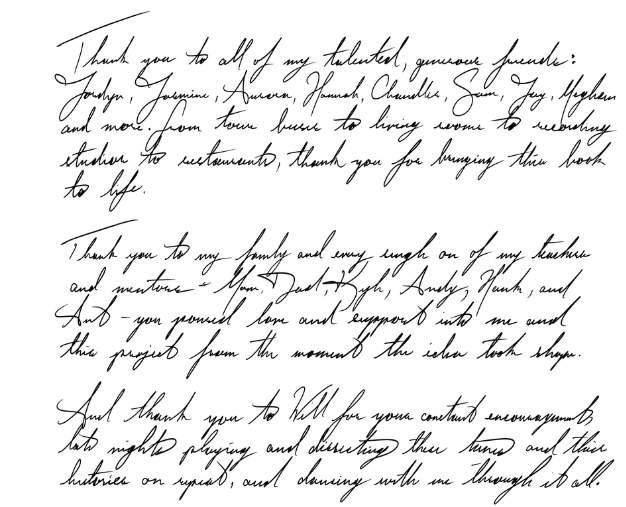
Thank you to all of my talented, generous friends: Jordyn, Jasmine, Aurora, Hannah, Chandler, Sam, Jay, Meghan and more. From tour buses to living rooms to recording studios to restaurants, thank you for bringing this book to life.Thank you to my family and every single one of my teachers and mentors - Mom, Dad, Kyle, Andy, Hank, and Ant - you poured love and support into me and this project from the moment the idea took shape. And thank you to Will for your constant encouragement, late nights playing and dissecting these tunes and their histories on repeat, and dancing with me through it all. Love you all, enjoy the music. S